

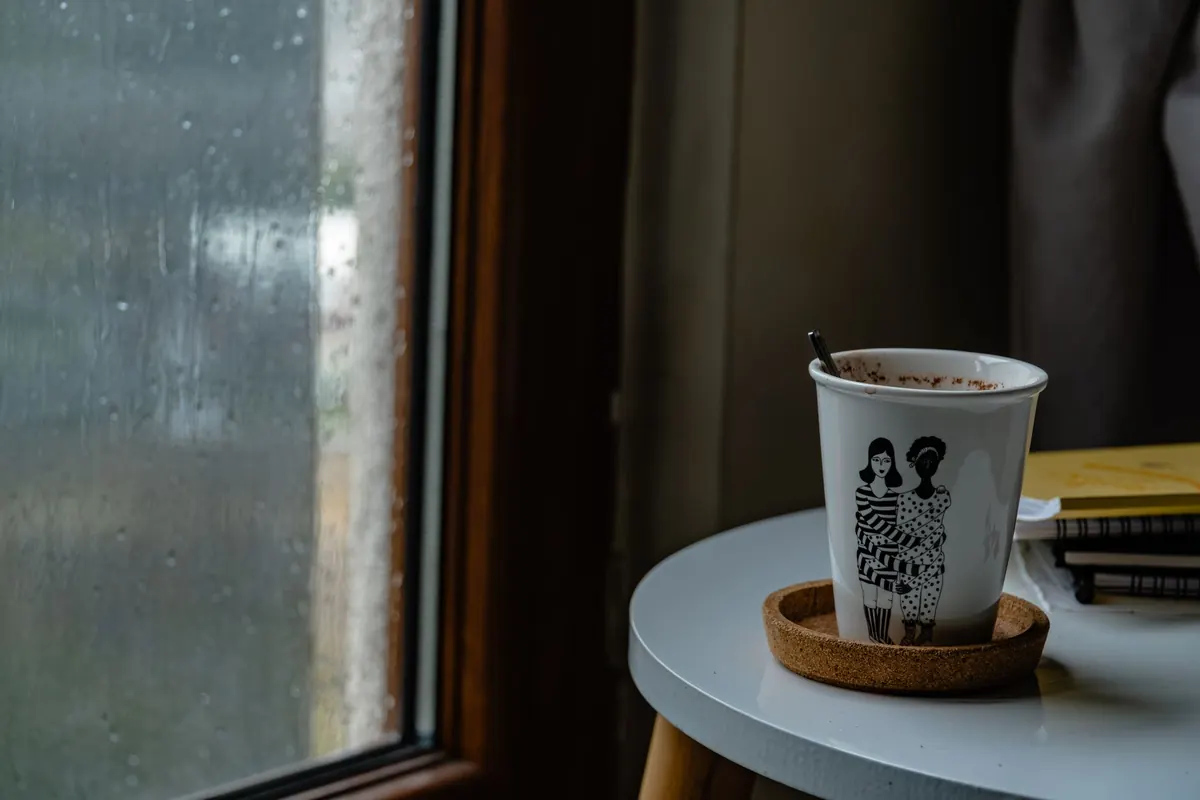


A bare white room with one chair and a single stem in a vase can feel like a long exhale. It can also feel like a dental waiting room. A room layered with wool throws, stacked paperbacks and an amber lamp can feel like a hug. It can also feel like a job you have to dust every Saturday.
Most of us live somewhere in the messy middle, and the argument between minimalism and cozy living is mostly a false one. The useful question isn't which philosophy wins. It's which parts of each one actually earn their keep in your home.
What Each Side Is Really Asking For
Minimalism is about attention, not emptiness
Strip away the aesthetic and minimalism is a decision-making tool. It removes what competes for attention so the things you care about can be seen. A cleared kitchen counter isn't virtuous in itself; it's easier to cook on, and easier to notice the bowl of lemons you actually bought. Done well, minimalism has nothing to do with owning forty objects. It's about a consistent answer to one question: does this thing help, or does it just take up room?
Cozy living is about comfort and evidence of life
Cozy isn't clutter by another name. Cozy is warmth you can feel with your hands and your eyes: texture underfoot, light from three low lamps instead of one overhead bulb, a blanket within arm's reach of the chair you actually sit in. It's also memory — the bowl from your grandmother, the ridiculous mug from a trip, the stack of books you're halfway through. Cozy rooms absorb sound and hold heat. They look lived in because they are.
Where the Two Quietly Agree
Put the extremes side by side and they start nodding at each other. Both dislike space filled out of obligation. Both reward things that get used, things that fit the life you actually have, and things that were chosen rather than accumulated.
Plenty of cozy homes are minimal underneath. Take away the throws and candles and you'd find clear floors, edited shelves, and a short list of furniture doing real work. And plenty of minimal homes are warm: pale walls, yes, but also oak, linen, and lamps placed low.
Minimalism without warmth reads as a showroom. Coziness without editing reads as a storage unit. The middle is a room that is easy to be in.
Ask What the Room Has to Do
Before you decide whether that armchair stays or goes, decide what the room is for. Most decorating advice skips this step, which is why it rarely sticks.
- Name the two or three things that happen here. Reading and talking. Sleeping and nothing else. Cooking, eating and homework at the same table.
- Find the friction. What do you move out of the way every single day? A laptop on the dining table, a laundry pile on the chair, a lamp you have to unplug to reach the window.
- Keep what serves those jobs. A side table earns its place next to a reading chair. It doesn't earn one in a hallway.
- Add warmth last, on purpose. Once the room works, choose texture and light deliberately instead of letting them drift in.
A Practical Middle: Clear the Floor, Warm the Walls
If you want one rule to hold the whole thing together, use this: keep the lower half of the room quiet, and let warmth live higher up and in soft layers.
- Quiet: floors, baseboards, counters and the tops of tables. Fewer objects, fewer cords, fewer stacks. This is where visual noise costs you the most.
- Warm: walls, shelves, windows and anything soft. Art, wood, plants, curtains, cushions, a rug with some color in it.
- Layer, don't pile. One throw over the arm of a sofa is cozy. Four is a laundry situation.
- Use light as the cheapest cozy tool. Two or three small lamps at different heights beat one bright ceiling fixture, and they cost nothing to rearrange.
- Give texture the job color usually gets. Wool, linen, raw wood, matte ceramics and nubby upholstery add interest without adding stuff.
Room by Room
Living room
Seating is the spine. Get that right and the room can carry a lot of texture. Aim for one clear path from door to window, then spend your cozy budget on a rug, a throw and lighting you can dim. If you have a coffee table, keep exactly one thing on it that you use — a coaster, a candle, the book you're reading — plus one thing you just like looking at.
Bedroom
This is where minimalism usually wins, because sleep responds to open space and low light. Clear the nightstand down to a lamp, a glass of water and whatever you're reading. Cozy here means bedding you want to get into, a rug where your feet land, and curtains that actually close.
Kitchen and entry
These two rooms do the most work and collect the most debris. On counters, keep only what you use daily; everything else goes in a cupboard, even if it looks nice. At the entry, one hook per person, one tray for keys, one basket for shoes, and a lamp or a small plant to soften the landing.
Three Rules for When You're Stuck
- If you haven't used it in a year and it isn't seasonal, sentimental or borrowed, it's a candidate to leave.
- If removing it makes the room easier to use, remove it. If removing it makes the room feel colder, replace it with something warmer, not something more.
- Buy for the room you have, not the room in the photograph.
Start With One Shelf This Weekend
Pick a single surface: the shelf by the door, the kitchen counter, the top of the dresser. Take everything off it. Put back only what belongs to that spot and gets used there. Then add one warm thing — a small lamp, a candle, a clipping from a plant, a photograph you actually like.
Live with it for a week. Notice whether the room feels easier or emptier. That answer is more useful than any philosophy, and it will tell you which way to lean in the next room, and the one after that.
Photo: Sophkins / Pixabay
Related posts
More stories you’ll love reading